YOAKE
Shirakawa-go
UNESCO World Heritage

Shirakawa-go

UNESCO Heritage Village in the Japanese Alps

Scroll

Overview

At a glance

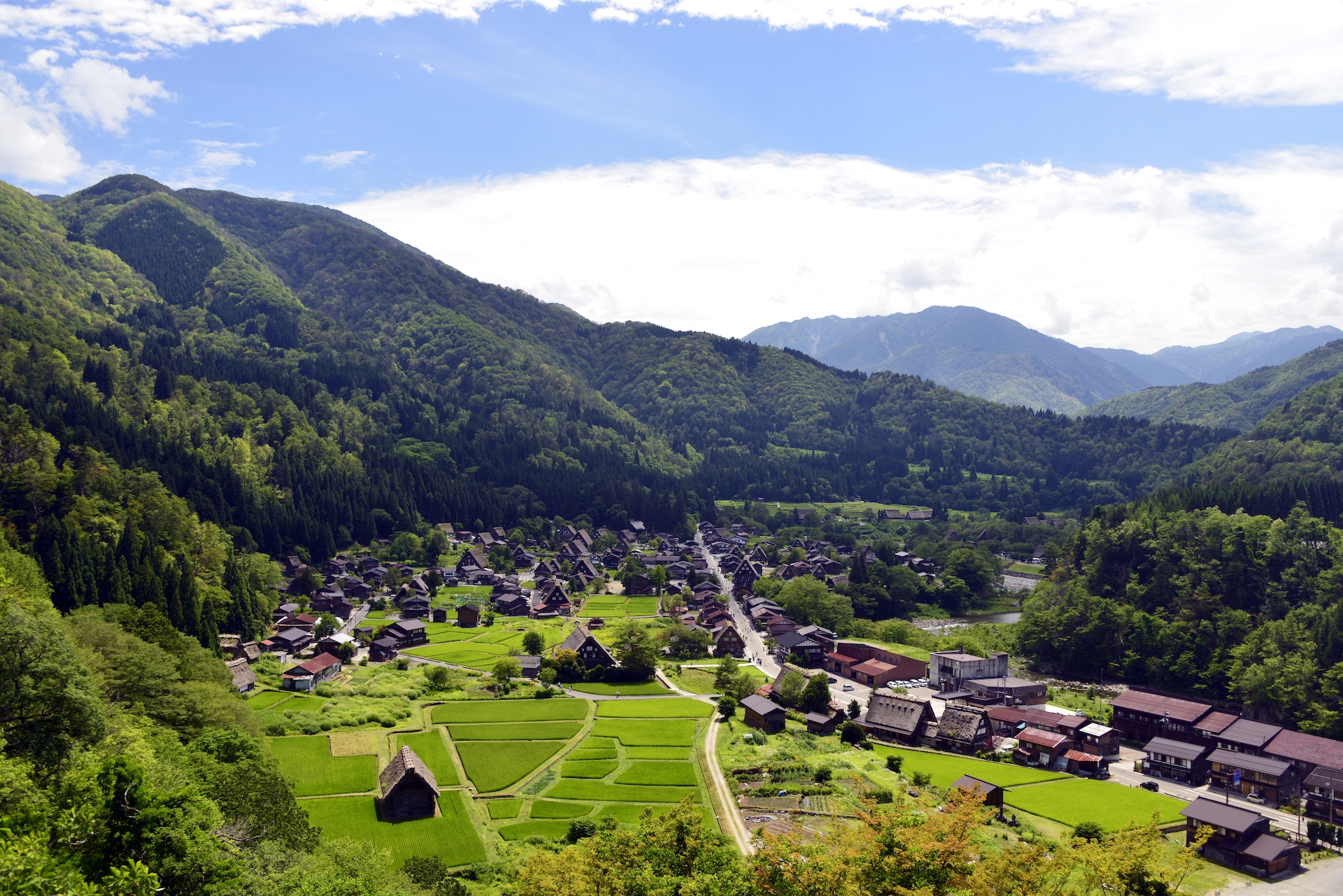
Nestled in the remote mountains of the Japanese Alps, Shirakawa-go is a breathtaking UNESCO World Heritage site renowned for its iconic Gassho-zukuri (thatched-roof) farmhouses. For VIP clients, it offers a profound, living immersion into Japan's historic agrarian culture and unparalleled rustic beauty, providing a stark, serene contrast to the bustling metropolises. It is an exclusive window into a resilient, traditional way of life that feels suspended in time, perfect for travelers seeking authentic cultural depth and highly photogenic landscapes.

Geographic Context

Ogimachi Settlement Context

Region
Chubu
Prefecture
Gifu
Access
3/5

Story & Heritage

A living village

Shirakawa-go's story is defined by isolation, ingenuity, and community resilience. Situated in a region that receives some of the heaviest snowfall in the world, the village was historically cut off from the rest of Japan during the harsh winter months. To survive, the locals developed the unique Gassho-zukuri architectural style. The term "Gassho" refers to hands pressed together in prayer, perfectly describing the steep, 60-degree angles of the massive thatched roofs designed to shed heavy snow.

Remarkably, these towering, multi-story structures were built entirely without nails. The upper floors were traditionally utilized for sericulture (silk farming), which provided a vital source of income. Beyond architecture, Shirakawa-go is a testament to the concept of Yui — a deeply rooted spirit of mutual support and communal labor. Even today, the villagers rely on Yui to collectively replace the massive thatched roofs of their neighbors' homes every few decades. For VIP clients, walking through Shirakawa-go is not just sightseeing; it is stepping into a living, breathing community that has conquered extreme nature through harmonious, collective effort.

Access & Logistics

Getting there

Takayama Station Shirakawa-go Bus Terminal
50 min ¥2,600 Bus

Nohi Bus. Convenient but public; private hire recommended for VIPs.

Kanazawa Station Shirakawa-go Bus Terminal
75 min ¥2,600 Bus

Hokutetsu/Nohi Bus. Advance reservation required.

Kanazawa City Center Shirakawa-go Ogimachi
75 min ¥45,000 – ¥65,000 Private Car

Private chartered taxi/van. Ideal for VIP clients for comfort and flexible timing.

Chubu Centrair / Tokyo Shirakawa-go (Nearby Heliport)
90 min ¥800,000 – ¥1,500,000 Helicopter

Helicopter charter. Drops at nearby Miboro Dam or Takayama, followed by private car transfer.

Important Note

Private vehicles are not allowed to enter the main Ogimachi village to preserve the environment and ensure pedestrian safety. Cars must park at the Seseragi Park Parking Lot, and visitors cross a suspension bridge on foot to enter the village. Comfortable walking shoes are essential.

Seasonal Highlights

Best times to visit

Jan
Feb
Mar
Apr
May
Jun
Jul
Aug
Sep
Oct
Nov
Dec
Jan-Feb

Winter Light-Up

Very Crowded

The village is blanketed in thick snow and illuminated at night, creating a fairy-tale atmosphere. Strict reservation-only entry.

Advance ticketing via lottery is required for parking, buses, and overnight stays. Essential to secure VIP access months in advance.

Apr-May

Spring Blossoms & Rice Planting

Moderate

Cherry blossoms bloom against snow-capped Alps. Flooded rice paddies reflect the Gassho houses beautifully.

A pleasant, temperate time to visit. Golden Week (early May) will see severe spikes in domestic crowds.

Oct-Nov

Autumn Foliage & Doburoku Festival

Busy

Brilliant autumn colors surround the village. The local festival features Doburoku (unrefined sake) tasting.

October 14-15 usually hosts the Doburoku Festival. Great cultural immersion opportunity.

Jun-Aug

Summer Greenery

Low

Vibrant green rice paddies and lush mountains. Less popular than winter/fall, offering a quieter experience.

High humidity, but excellent visibility and fewer international tourists.

Visit Planning

Duration & practical info

1 hrs
Quick

Crossing the Seseragi bridge, walking the main street, and taking a shuttle to the Shiroyama Observation Deck for the iconic panoramic photo.

3 hrs
Standard

The above, plus entering one of the open Gassho houses (e.g., Wada House or Kanda House) and enjoying a relaxed lunch featuring local Hida beef.

6 hrs
Leisurely

Comprehensive VIP visit. Includes a private guided architectural tour, lunch at a premium local Ryokan, exploring the quieter outskirts, and a private craft or cultural demonstration.

Payment
CashCredit CardQR Pay

While major tourist shops and restaurants have begun accepting credit cards, Shirakawa-go is still heavily reliant on cash due to its rural nature and small family-run businesses. VIP clients must be advised to carry sufficient Japanese Yen for small purchases, street food, and entrance fees to individual heritage houses.

Accessibility
Terrain Partial

Main paths are paved but can be uneven. In winter, snow and ice make wheelchair navigation highly difficult without specialized equipment.

Restrooms Partial

Multipurpose/accessible toilets are available at the main parking lot and bus terminal, but rarely inside the historical village proper.

Buildings None

Authentic Gassho-zukuri houses are preserved in their original state. Entrances feature high steps, and upper floors are accessed only via very steep, narrow, ladder-like wooden stairs.

Seating Partial

Benches are limited along the main street. Restaurants offer seating, but traditional spots may require sitting on tatami mats (though some have added low chairs for comfort).

VIP Options

Exclusive enhancements

01
Guide

Private Local Historian / Elder Tour

A walking tour guided by a bilingual expert accompanied by a village elder, offering intimate storytelling about the Yui system and inside access to non-public areas of a Gassho house.

02
Experience

Exclusive Doburoku & Local Cuisine Tasting

A privately hosted tasting session of the region's legally protected unrefined sake (Doburoku) paired with premium A5 Hida Beef and mountain foraging delicacies, arranged in a private tatami room.

03
Transport

Helicopter Transfer & Luxury Van

To bypass the 2+ hour drive from major hubs, clients can take a chartered helicopter to a nearby landing zone, met by an English-speaking driver in a luxury Alphard/Granace for the final pristine mountain drive.

Cultural Etiquette

Essential protocols

Cultural Manners

Shirakawa-go is not just an open-air museum; it is a residential village where locals live and work. Clients must respect privacy: do not peek into windows, do not enter private gardens or fields, and take all trash back with them (public bins are scarce). Winter snowbanks should not be disturbed as they often cover fragile crops or irrigation channels.

Photography Rules

DRONES ARE STRICTLY PROHIBITED across the entire village. Respect the privacy of local residents and refrain from photographing the interior of private homes from the street. Flash photography may be restricted inside some of the heritage museum houses to protect historical artifacts.

Dining

Local gastronomy

Hakusuien

Hakusuien
¥2,000 – ¥5,000

A traditional restaurant offering excellent set meals featuring Hida Beef cooked on a magnolia leaf with sweet miso (Hoba Miso). It provides a reliable, comfortable setting for clients to experience local mountain cuisine.

Signature: Hida Beef Hoba Miso Yaki

Soba Dojo

Soba Dojo
¥1,000 – ¥2,500

Offers handmade buckwheat noodles with views of the surrounding nature. Clients can sometimes see the soba-making process. The water quality in the region makes the dashi and noodles exceptionally pure and flavorful.

Signature: Zaru Soba with Wild Mountain Vegetables

Irori

Irori
¥1,500 – ¥3,500

Housed in a traditional building featuring a sunken hearth (irori). Famous for its deeply traditional, rustic local dishes including hard baked tofu, river fish, and wild mountain vegetables.

Signature: Baked Tofu and Hoba Miso Set

Expert Tips

Insider knowledge from our DMC network

Crowd Avoidance

The village is inundated with day-trippers between 10:30 AM and 3:00 PM. For VIPs, arrange an overnight stay at a nearby luxury ryokan (e.g., in Takayama or secluded spots near Shirakawa) so they can arrive by 8:30 AM and enjoy the village in peaceful morning mist.

Footwear

Encourage clients to wear easily removable, slip-on walking shoes. To enter the heritage houses (Wada House, Kanda House), shoes must be removed. In winter, heavy-duty waterproof boots with traction are an absolute safety requirement.

Photography

The best panoramic shot is from the Shiroyama Observation Deck. Instead of waiting for the crowded shuttle bus, have the client's private driver take them directly up to the deck via the back access road before walking down into the village.

Budget & Essentials

Remind clients to carry at least 10,000-20,000 JPY in cash. ATM access is severely limited (the local post office ATM has restricted hours and may not accept foreign cards reliably).

YOAKE Japan Travel Encyclopedia