YOAKE
Premium Japanese Pottery Experience
Cultural Experience

Premium Japanese Pottery Experience

The Art of Earth and Fire — Breathing Life into the Formless

Scroll

Overview

At a glance

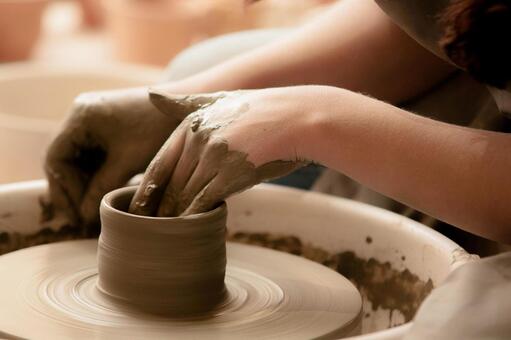
Immerse your VIP clients in the deeply meditative art of Japanese pottery, a tactile journey where earth, water, and fire converge under the guidance of a master artisan. Far beyond a standard workshop, this exclusive experience grants access to private kilns and multi-generational studios, allowing guests to mold their own bespoke tea bowls or sake vessels. It is a profound, grounding encounter with Japan's wabi-sabi aesthetic, offering not just a luxury souvenir, but a personal masterpiece imbued with the spirit of the moment.

Duration
2h 30m
Capacity
1–6
Difficulty
2/5
Photogenic
4/5
Lead Time
45 days
Setting
Indoor
Private
Available
Available Regions
Kyoto (Kiyomizu / Kyo-yaki)Saga (Arita / Imari)Okayama (Bizen)Tochigi (Mashiko)Ishikawa (Kutani)Kanazawa (Ohi-yaki)
Ideal For
HoneymoonFamilySeniorsCultureRelaxationLuxury

Story & Significance

The deeper meaning

The tradition of Japanese ceramics stretches back over 10,000 years to the Jomon period, but it was during the Sengoku and Edo periods that pottery was elevated from mere utility to the pinnacle of high art. Driven by the philosophy of Chanoyu (the Tea Ceremony) codified by masters like Sen no Rikyu, Japanese lords and samurai began to prize the subtle beauty of tea bowls over swords or land. Today, Japan is home to the "Six Ancient Kilns" (Rokkoyo), alongside legendary porcelain centers like Arita, where techniques have been guarded and passed down through family lineages for over 400 years.

For VIP clients, this is an invitation into a closed world. They will not visit a commercial tourist factory; instead, they are welcomed into the private sanctum of a recognized master (Sensei), often a living cultural preserver. Whether shaping the iron-rich clay of Bizen that requires a 14-day continuous wood firing, or delicately painting the translucent white porcelain of Arita, clients participate in an unbroken lineage of craftsmanship. This is a rare opportunity to bridge the gap between viewer and creator, participating in a celebrated Japanese legacy.

Philosophy & Spirituality

This experience is the ultimate physical manifestation of Wabi-sabi — the appreciation of beauty that is imperfect, impermanent, and incomplete. The potter's wheel demands total mindfulness (Zen); one must breathe with the clay and find their center. Furthermore, the final outcome relies on Yohen, the unpredictable changes caused by the fire in the kiln. The artisan must surrender absolute control, embracing Ichigo-ichie (one time, one meeting) — the profound realization that the piece they create is entirely unique and can never be replicated.

Season & Availability

When to experience

Year-round
Jan
Feb
Mar
Apr
May
Jun
Jul
Aug
Sep
Oct
Nov
Dec
Oct-Nov

Autumn Kiln Firing (Noborigama)

Busy

Traditional wood-firing climbing kilns are often fired in the crisp autumn air. The roaring fire and the scent of burning red pine provide a dramatic, unforgettable atmosphere.

High demand for Bizen and Mashiko regions. Book 3-4 months in advance.

Jan-Feb

Winter Tranquility (Fuyu no Seijaku)

Low

The quiet, crisp winter air enhances the meditative aspect of the wheel. Indoor studios are cozy, offering a deeply focused, uninterrupted private environment.

Excellent for VIPs seeking total privacy and one-on-one master attention.

Apr-May

Fresh Greenery Crafting (Shinryoku)

Moderate

Comfortable temperatures for working with clay and water. Open studio doors allow clients to view beautiful spring gardens and fresh maple leaves while throwing clay.

Avoid Golden Week (late April to early May) due to extreme domestic travel.

Experience Details

What to expect

Duration Breakdown

Welcome tea & studio/kiln tour detailing family history (40min) + Hands-on wheel throwing or hand-building (70min) + Glaze selection & tea cooldown (40min).

Participation Style: Hands-on

Participants are outfitted in traditional samue (artisan workwear) or custom aprons. Under the direct, hands-on guidance of a master potter, they sit at the potter's wheel (rokuro) or use hand-building techniques (tebineri). They learn to center the spinning clay, feeling its cool, smooth texture, and gently coax it into shape — creating a bespoke matcha bowl, sake set, or vase. The physical engagement is grounding and deeply meditative. For VIPs, the master demonstrates advanced, highly guarded techniques, and clients select bespoke glazes made from local organic ash or rare minerals.

Takeaway

1-3 custom ceramic pieces per person. The clay requires 4-8 weeks for slow drying, trimming, bisque firing, glazing, and final high-temperature firing by the master.

International Shipping

White-glove international shipping via EMS or DHL with full insurance. VIP pieces are securely wrapped in a custom tomobako (paulownia wood box) tied with Sanada-himo ribbon. Delivery typically takes 6-10 weeks.

Available Time Slots
Morning (09:00-12:00)
Afternoon (12:00-15:00)
Evening (15:00-18:00)

VIP Options

Exclusive enhancements

01

Master's Private Collection Viewing

Matcha Ceremony in a historic on-site teahouse with private viewing of the master's exclusive collection.

02

Bespoke Tomobako

Custom paulownia wood box featuring calligraphy of the guest's name by the master artisan.

03

Private Studio Dinner

Exclusive dinner catered in the studio/gallery using the master's premium museum-grade tableware.

Cultural Etiquette

Essential protocols

Dress Code

Casual, comfortable clothing with sleeves that can be rolled up. Avoid skirts for wheel-throwing. Remove all rings, bracelets, and watches. Short fingernails are highly recommended to avoid gouging the clay. Protective aprons or samue are provided by the venue.

Etiquette

Address the artisan respectfully as "Sensei" (Teacher/Master). Bow upon entering the studio space. Do not touch unfired clay pieces resting on drying racks; they are exceptionally fragile and represent weeks of the artisan's labor.

Photography Rules

Photography is warmly encouraged during the hands-on portion. However, always ask permission before filming the master's face, proprietary glazing stations, or specific firing techniques, as some families keep these as guarded secrets. Tripods are discouraged due to trip hazards.

Physical Requirements

Requires mild core stability to sit upright and lean over the wheel, plus fine motor skills in the hands/wrists. Western-height wheels or table-top stations are arranged for VIPs, but clients with severe lower back issues should opt for hand-building (tebineri) rather than wheel-throwing.

Pricing

Per person reference rates

Standard
per person
¥15,000 ¥35,000
Premium
per person
¥45,000 ¥90,000
VIP
per person
¥120,000 ¥350,000
Planning Notes

Advanced booking of 45-60 days is crucial to secure time with high-ranking masters who balance teaching with their own exhibition schedules. Guests with long acrylic or gel nails will find wheel-throwing nearly impossible and should be booked for the hand-building (tebineri) or painting (etsuke) options instead. Please note that the experience fee does not always cover international shipping, which is usually calculated and billed separately based on the final fired weight and destination country. The artisan cannot guarantee a flawless outcome, as the kiln firing process naturally introduces organic variations (shrinkage, color shifting) — this should be communicated to clients as the authentic "magic of the fire."

Expert Tips

Insider knowledge from our DMC network

Best Timing

Book morning sessions (around 9:30 AM) when the artisan's mind is freshest and the studio is quiet. The natural morning light also provides the most beautiful, flattering illumination for clients wanting high-quality photos or videos of their experience.

Local Etiquette

Set expectations with your clients regarding the final product. Explain the concept of Yohen (kiln changes) — the glaze may look different than expected, and the piece will shrink by 10-15% during firing. Framing this as the unpredictable, beautiful "nature of the fire" prevents disappointment and elevates the artistic value.

What to Bring

Advise female clients to bring a hair tie, and strictly remind all clients to leave expensive jewelry (especially engagement rings or luxury watches) in their hotel safe. Clay slip can easily get trapped in complex ring settings or scratch fine metals.

Hidden Gem

While Kyoto (Kyo-yaki) is convenient and refined, recommend Bizen (Okayama prefecture) for true VIP art collectors. Bizen offers an incredibly raw, rustic experience focused on unglazed, wood-fired wabi-sabi aesthetics, far removed from standard tourist routes.

Budget

For UHNW (Ultra-High-Net-Worth) clients, allocate a shopping budget beyond the workshop fee. Masters often hold back their most exceptional, museum-quality works from public galleries to sell directly to discerning private visitors in their own studio viewing rooms.

YOAKE Japan Travel Encyclopedia