YOAKE
Japanese Summer Festivals
Festival

Japanese Summer Festivals

Echoes of Summer: A VIP Journey into the Heart of Japan's Vibrant Matsuri Culture

Scroll

Overview

At a glance

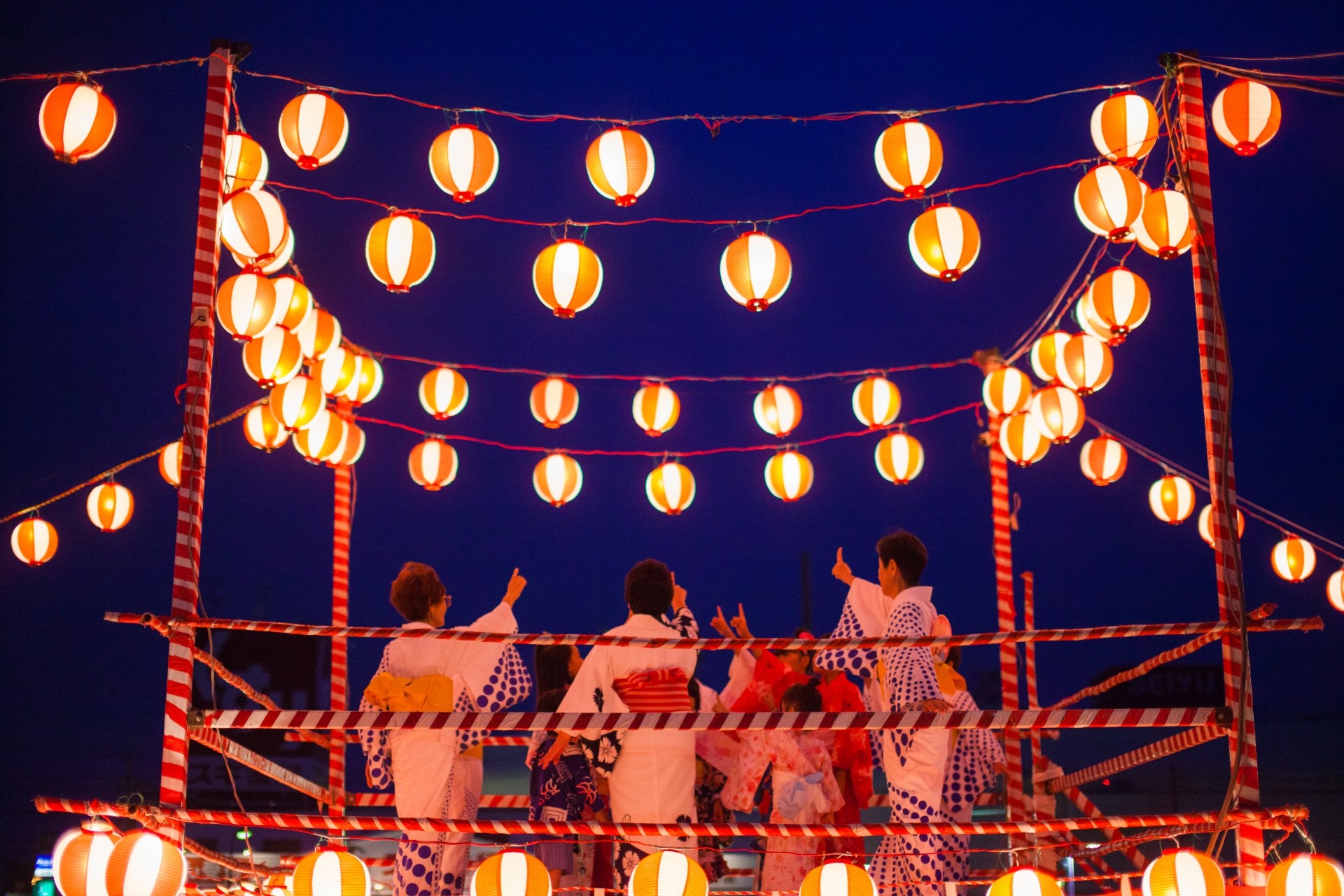
The vibrant energy of a Japanese summer festival—taiko drums echoing in the humid air, brilliant fireworks illuminating ancient shrines, and streets alive with traditional dancers—is an unforgettable sensory experience. For your VIP clients, we transform this notoriously crowded and chaotic local event into an exclusive, seamless cultural immersion through private viewing terraces, premium silk Yukata styling in their luxury suites, and expert bilingual guides who navigate the crowds with ease. This is the ultimate way to feel the authentic, beating heart of Japanese community life without compromising on comfort or exclusivity.

Duration
5h
Capacity
1–10
Difficulty
2/5
Photogenic
5/5
Lead Time
180 days
Setting
Indoor + Outdoor
Private
Available
Available Regions
Kyoto (Gion Matsuri)Osaka (Tenjin Matsuri)Aomori (Nebuta Matsuri)Tokushima (Awa Odori)Tokyo (Local Shinto Festivals)
Ideal For
FamilyCultureLuxuryMICE / Incentive

Story & Significance

The deeper meaning

Originating as Shinto rituals to appease angry spirits (goryo) and ward off summer plagues, natsu matsuri (summer festivals) have evolved over centuries into Japan's most visceral and energetic community celebrations. Historically, events like Kyoto's Gion Matsuri date back to 869 AD, when epidemics ravaged the ancient capital, prompting citizens to parade massive halberds to purify the streets. Today, these festivals represent the beating heart of local communities, featuring massive illuminated floats (yamahoko or nebuta), hypnotic traditional dances, and thunderous taiko drumming.

For VIP travelers, the true value of our curation lies in stepping beyond the immense crowds. While millions gather on the streets, your clients will experience the raw, authentic power of these centuries-old traditions from a place of privilege. By securing exclusive access to private machiya (traditional townhouses) along parade routes, chartering private riverboats, or utilizing dedicated VIP grandstands with catered cuisine, clients witness the awe-inspiring spectacle of Japan's living history safely, comfortably, and intimately.

Philosophy & Spirituality

Hare and Ke - This foundational Japanese concept distinguishes the sacred, festive, and extraordinary (Hare) from the mundane, everyday life (Ke). Summer festivals represent the ultimate Hare state, a temporary disruption of ordinary society where communities release pent-up energy and commune with the divine (Kami). VIP clients will physically feel this electric shift in atmosphere, observing the intense collective spirit (Kizuna / bond) as local neighborhoods unite in synchronized chants to carry multi-ton mikoshi (portable shrines) through the twilight.

Season & Availability

When to experience

Jul, Aug
Jan
Feb
Mar
Apr
May
Jun
Jul
Aug
Sep
Oct
Nov
Dec
Jul

Gion Matsuri (Kyoto)

Very Crowded

The apex of elegant summer festivals with massive, museum-quality floats. The July heat is intense, making our private, air-conditioned viewing rooms essential.

Book private machiya / VIP seating 8-10 months in advance. Accommodations sell out rapidly.

Gion Matsuri 2024 2024-07-01 — 2024-07-31 Fixed (calendar-based)
Aug

Awa Odori (Tokushima) & Nebuta (Aomori)

Very Crowded

High-energy dance and illuminated float festivals. The atmosphere is electric, warm, and humid, framed by dramatic summer skies.

Requires booking premium grandstand tickets and luxury transport (often helicopters or chartered trains) well in advance.

Aomori Nebuta Matsuri 2024 2024-08-02 — 2024-08-07 Fixed (calendar-based)
Aug

Tokyo Neighborhood Matsuri

Moderate

Smaller shrine festivals offering intimate interactions, traditional street food, and bon-odori dancing without the crushing mega-tourist crowds.

Excellent for families wanting a relaxed, authentic experience. Can be arranged with a private guide on 30 days' notice.

Experience Details

What to expect

Duration Breakdown

Luxury Hotel Yukata Fitting (60min) + Private Transfer (30min) + Guided Shrine/Street Food Tour (60min) + VIP Parade Viewing with Catering (120min) + Return Transfer (30min)

Participation Style: Mixed

Clients begin the late afternoon in their luxury hotel suite, where professional stylists dress them in premium, customized Yukata (summer kimono) and arrange their hair. A private chauffeur transfers them to the festival perimeter. A bilingual cultural expert then guides them through the festive stalls (yatai) to sample elevated, safe street food and explain the Shinto rituals taking place. Finally, clients retreat to an exclusive reserved viewing area—such as a private balcony, a chartered traditional boat, or a VIP grandstand—to comfortably watch the parades, dances, and fireworks while enjoying chilled champagne and regional delicacies.

Takeaway

Premium tailored Yukata, obi (sash), geta (wooden sandals), and a high-quality traditional folding fan (sensu). No post-processing is required; items are ready immediately.

International Shipping

If clients do not wish to pack their Yukata, white-glove international shipping with full insurance and tracking can be arranged. Delivery takes 1-2 weeks via DHL or FedEx.

Available Time Slots
Evening (15:00-18:00)
Night (18:00-22:00)

VIP Options

Exclusive enhancements

01

Private Machiya Buyout

Exclusive use of a traditional townhouse (Machiya) along Kyoto's parade route with private Maiko entertainment.

02

Chartered Yakatabune

Private traditional pleasure boat with a private chef for river-based festival viewing.

03

Private Helicopter Transfer

Chartered helicopter from Tokyo/Kyoto to regional mega-festivals to bypass congested transit.

Cultural Etiquette

Essential protocols

Dress Code

Premium Yukata provided and fitted in-room. While traditional wooden geta are provided, high-end cushioned walking sandals styled to look traditional are available for VIPs to prevent blisters. Heavy, modern jewelry should be removed to maintain the traditional aesthetic.

Etiquette

Despite the chaotic, festive atmosphere, shrines and portable shrines (mikoshi) remain highly sacred. Guests must never touch the floats or cross the path of a parade. While eating street food is part of the experience, it is polite to stand near the stall to eat rather than walking through crowds with food in hand.

Photography Rules

Drones are strictly prohibited at all Japanese festivals. Do not use flash photography directly in the faces of dancers or mikoshi bearers. Tripods are banned in crowded street areas. However, photography and videography from our private VIP terraces are fully unrestricted.

Physical Requirements

Japanese summer is intensely hot and humid (often 30-35 C / 86-95 F with high humidity). While VIP viewing areas offer shade and cooling, some walking in the heat is unavoidable. Clients with severe heat sensitivity or mobility issues must disclose this so we can secure fully air-conditioned rooms and wheelchair-accessible routes.

Pricing

Per person reference rates

Standard
per person
¥50,000 ¥150,000
Premium
per person
¥150,000 ¥350,000
VIP
per person
¥400,000 ¥1,500,000
Planning Notes

The primary risk for summer festivals is extreme heat and humidity. Major festivals draw millions of spectators, causing severe traffic closures; we utilize dedicated black-car services with pre-arranged drop-off zones, but a moderate amount of walking is mandatory. VIP viewing areas, private boats, and machiya rentals must be paid in full at the time of booking and are strictly non-refundable due to extreme luxury market demand. In the event of severe typhoons, outdoor parades may be canceled by the city; in such cases, alternative premium indoor cultural activities and private dining will be provided, but refunds for event cancellations are subject to vendor policies.

Expert Tips

Insider knowledge from our DMC network

Crowd Avoidance

For mega-festivals like Gion Matsuri or Nebuta, bypass the street-level crush entirely by booking our "Machiya Buyout" or "VIP Balcony" options. For clients who dislike crowds entirely but want the festive atmosphere, pivot them to high-end Tokyo neighborhood festivals (e.g., Azabu-Juban) guided by our experts.

Footwear

While traditional wooden geta look stunning in photos, they often cause severe blistering for first-timers walking in the heat. Advise clients to wear them for the hotel photoshoot, but we will provide discreet, modern cushioned sandals for the actual festival walking.

Budget

Accommodations in Kyoto (July) and Aomori/Tokushima (August) surge to 300-500% of their normal rates and sell out a year in advance. Advise clients to finalize their summer festival itineraries by November of the preceding year to secure top-tier luxury suites and VIP access.

Safety

Japanese summer heat is relentless, even at night. Our private guides carry "cooling kits" (chilled water, electrolyte drinks, cooling neck rings), but agents must strictly screen elderly clients or those with cardiovascular conditions before booking them into heavy outdoor festival components.

Best Timing

The golden hour (around 5:30 PM to 6:30 PM) is the ideal time to arrive at the festival perimeter. The intense midday heat begins to break, the paper lanterns are illuminated, and clients can capture stunning, atmospheric photographs before the peak crowds surge around 7:30 PM.

YOAKE Japan Travel Encyclopedia